
Who Is a Plaintiff? Easy Legal Definition and Examples
A plaintiff is the person or organization that starts a lawsuit by filing a legal claim in court. This guide explains the meaning of plaintiff, how plaintiffs differ from defendants, who qualifies to file a lawsuit, and the responsibilities plaintiffs have during a case.
Learn common examples of plaintiffs in civil, personal injury, employment, and class action lawsuits, along with key rights and legal duties. Written in simple language, this article helps beginners understand how legal cases begin and how the court process works.
Who Is a Plaintiff? Legal Definition, Role, and Easy Examples
A plaintiff is the person or entity that starts a lawsuit by bringing a legal claim against someone in court. Whether it’s a civil dispute, compensation claim, or rights-related issue, understanding who the plaintiff is makes it much easier to follow how a case moves through the legal system.
In simple terms, the plaintiff is the party asking the court for help. This guide explains the plaintiff meaning, what plaintiffs do during a case, how they file lawsuits, and how their role differs from a defendant—using clear language and real-world examples.
Key Points to Know
- A plaintiff is the party who files a lawsuit to start a legal case
- The plaintiff must provide evidence to support their claims
- Plaintiffs can be individuals, businesses, or organizations
- In most civil cases, plaintiffs seek compensation or another legal remedy
- The plaintiff’s claims shape the direction of the case
- The person being sued is called the defendant
Who Is a Plaintiff? (Simple Legal Definition)
A plaintiff is the individual, group, or organization that initiates a lawsuit by filing a formal complaint in court. The plaintiff claims they have been harmed, wronged, or had their rights violated and asks the court to provide a legal remedy—such as financial compensation, an order, or legal protection.
In civil and small-claims cases, the plaintiff carries the burden of proof, meaning they must present evidence showing why the court should rule in their favor.
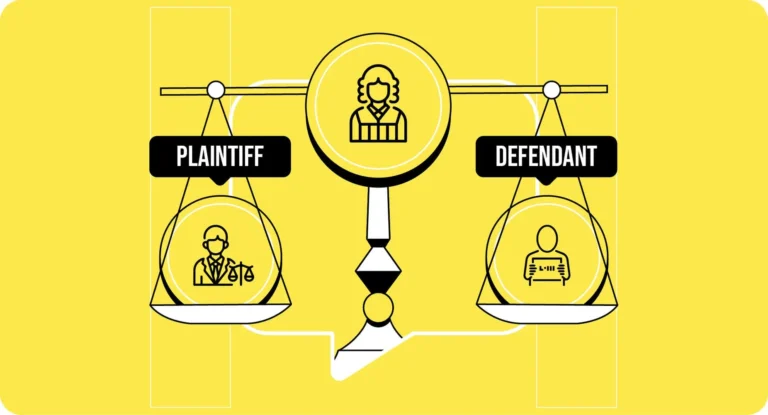
Plaintiff vs. Defendant: Key Legal Differences
The difference between a plaintiff and defendant is straightforward:
- The plaintiff brings the legal action
- The defendant responds to the allegations
The plaintiff explains what went wrong and what remedy they are seeking. The defendant presents defenses, explanations, or counterclaims. In simple terms: the plaintiff accuses, and the defendant defends.
Understanding this distinction helps you follow court cases, lawsuits, and legal documents more confidently.
Who Qualifies as a Plaintiff in Law?
Anyone who has suffered a legal injury, financial loss, or violation of rights may qualify as a plaintiff, provided they have legal standing. Legal standing means:
- The issue directly affects them
- The court has authority to decide the matter
Plaintiffs may include individuals, companies, nonprofit organizations, or groups of people.
When Individuals Can Sue as Plaintiffs
An individual becomes a plaintiff when they personally experience harm and seek a legal remedy. Common examples include:
- Personal injury claims
- Property damage disputes
- Contract disagreements
- Civil rights violations
If the individual can show real impact or loss, they generally have the right to file a lawsuit.
How Companies File Lawsuits as Plaintiffs
Businesses and corporations can also act as plaintiffs. A company may file a lawsuit for:
- Breach of contract
- Unpaid invoices
- Intellectual property violations
- Financial or reputational damage
The lawsuit is filed under the company’s legal name, and attorneys or authorized representatives handle court proceedings.
Multiple Plaintiffs in Class Action Lawsuits
In a class action lawsuit, multiple plaintiffs with similar claims combine their cases into one action against a defendant. This is common in cases involving defective products, data breaches, or unlawful business practices.
One or more lead plaintiffs represent the entire group, allowing many affected people to seek justice efficiently.
Key Responsibilities of a Plaintiff During a Case
A plaintiff must actively participate in the legal process. Key responsibilities include:
- Providing accurate information and evidence
- Following court procedures and deadlines
- Communicating honestly with legal counsel
- Attending hearings or proceedings when required
Meeting these responsibilities strengthens the case and improves the chance of a fair outcome.
Common Types of Cases Involving Plaintiffs
Civil Court Cases
These involve non-criminal disputes where a plaintiff seeks compensation or another legal remedy. Examples include contract disputes, property issues, and consumer claims.
Personal Injury Lawsuits
Here, the plaintiff claims harm caused by someone else’s negligence, such as car accidents or medical errors, and seeks damages for injuries and losses.
Employment and Contract Lawsuits
Employees or contractors may act as plaintiffs in cases involving wrongful termination, unpaid wages, discrimination, or breach of contract.
Understanding Plaintiffs in Different Legal Frameworks
While procedures vary, the plaintiff’s role remains consistent across legal systems: they assert a claim and must prove it. In civil law systems, plaintiffs often file written petitions. In common law systems, they file formal complaints.
Across areas like family law, employment law, and consumer protection, the plaintiff always carries responsibility for explaining the claim and supporting it with evidence.
Wrapping It Up
A plaintiff is the person, group, or organization that starts a legal case by filing a claim in court. They are responsible for presenting evidence, proving their allegations, and requesting a legal remedy.
Understanding the plaintiff’s role makes lawsuits easier to follow and helps you know what to expect if you ever need to bring a legal claim yourself.
Frequently Asked Questions (FAQs)
What does “plaintiff” mean in legal terms?
A plaintiff is the person or entity that starts a lawsuit by filing a legal claim in court, stating they were harmed and seeking a legal remedy.
How is a plaintiff different from a defendant?
The plaintiff files the lawsuit, while the defendant responds to the claims made against them.
Who qualifies to be a plaintiff in court?
Anyone who has suffered a legal injury or rights violation and has legal standing may qualify as a plaintiff.
What am I expected to do as the plaintiff?
A plaintiff must present evidence, follow court rules, meet deadlines, and actively participate in the case.
In what legal situations is a plaintiff involved?
Plaintiffs are involved in civil disputes, personal injury claims, employment lawsuits, contract cases, and class actions.
Can someone switch from defendant to plaintiff in a case?
Yes. If a defendant files a counterclaim, they become a plaintiff for that specific claim while remaining a defendant in the original case.