
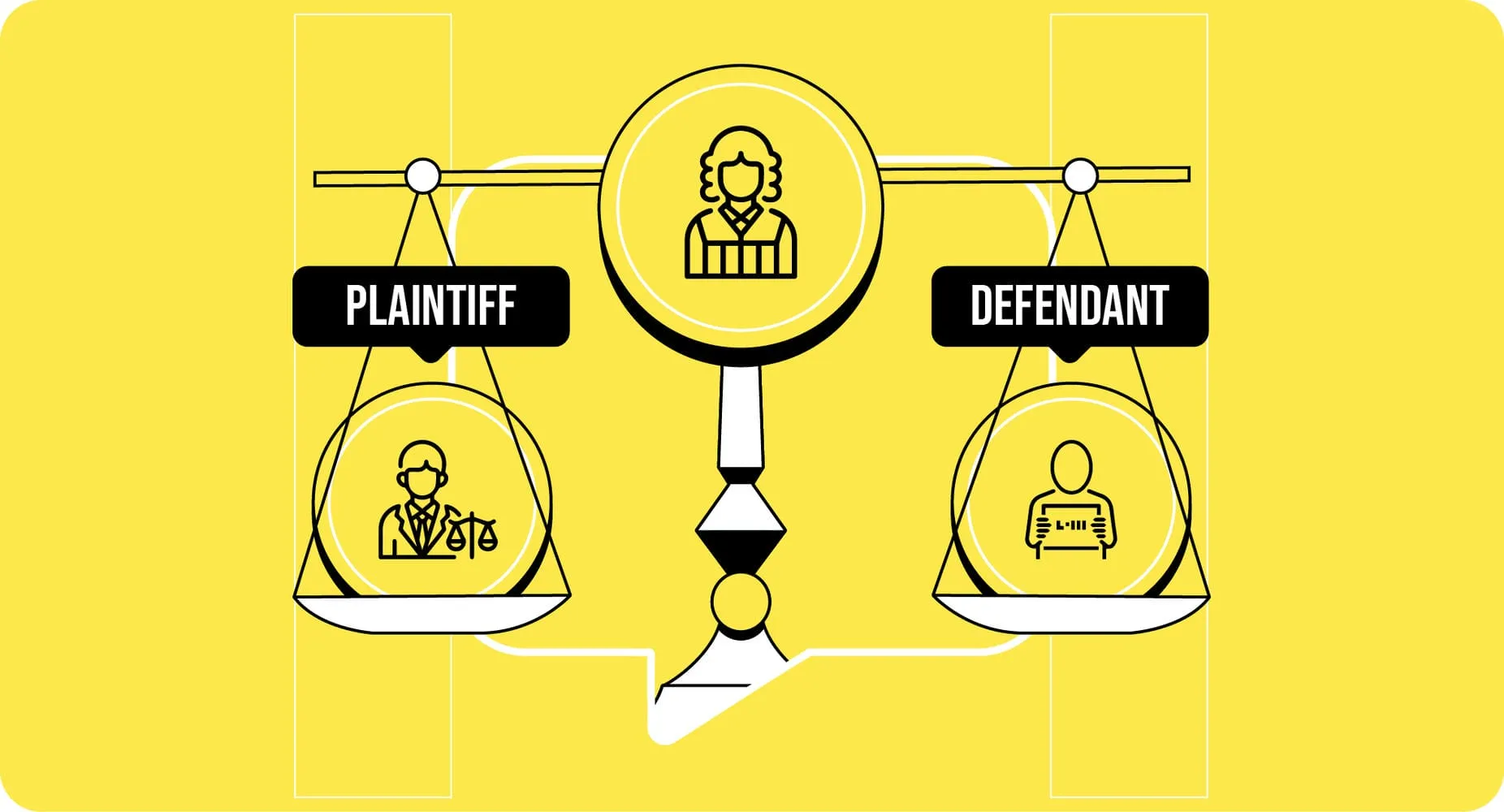
Plaintiff vs. Defendant: Key Differences You Should Know
Plaintiff vs defendant explains the two main parties in any court case and how their roles differ. This guide covers the definition of plaintiff and defendant, their responsibilities in civil and criminal cases, real-world examples, legal rights, and court procedures.
Learn who files a lawsuit, who responds, who has the burden of proof, and how counterclaims and default judgments work. Written for beginners, this article helps you understand how legal disputes are structured and how courts resolve claims fairly and clearly.
Plaintiff vs Defendant: Key Differences, Examples, and Legal Roles Explained
Understanding the roles of a plaintiff vs defendant is essential for anyone learning how the legal system works. Whether you’re reading about a lawsuit, involved in a dispute, or simply studying legal basics, these two roles form the foundation of every court case.
In any legal action, the plaintiff is the party who files the claim, while the defendant is the party required to respond. Knowing how their responsibilities differ helps you understand court procedures, legal rights, and how disputes are resolved in real life.
Key Points to Know
- A plaintiff is the party who files a lawsuit claiming harm or violation of rights
- A defendant is the person or entity who must respond to the lawsuit or charges
- In civil cases, the plaintiff seeks compensation or a legal remedy
- In criminal cases, the government prosecutes the defendant
- Both parties must follow strict court procedures and present evidence
- Understanding these roles explains how courts resolve disputes fairly
Understanding the Difference Between a Plaintiff and Defendant
The legal system works around clearly defined roles. A plaintiff is the party who initiates a legal claim, while a defendant is the party who must defend against that claim.
The plaintiff alleges harm or wrongdoing and asks the court for a legal remedy, such as money damages or an injunction. The defendant responds by denying, explaining, or defending against the allegations. These roles form the basic structure of how courts manage disputes and deliver justice.
How Plaintiffs and Defendants Function in a Legal Case
In most legal cases, the plaintiff starts the process by filing a complaint that explains the issue and the relief requested. The defendant then files a response, which may include defences, motions, or counterclaims.
Both sides gather evidence, follow court rules, and may negotiate a settlement before trial. If the case goes to court, each side presents arguments and evidence before a judge or jury.
The plaintiff’s initial filing often shapes the entire direction of the case, while the defendant’s response determines how the dispute will be contested.
Plaintiff vs. Defendant: Simple Examples
Civil Case Example
A homeowner sues a contractor for not completing a renovation project. The homeowner is the plaintiff because they filed the lawsuit, and the contractor is the defendant because they must respond.
Personal Injury Case Example
If a person is injured in a car accident and files a lawsuit, they become the plaintiff. The driver accused of causing the accident is the defendant.
Employment Dispute Example
An employee who files a wrongful termination lawsuit is the plaintiff, while the employer becomes the defendant.
Key Rights of Plaintiffs and Defendants in Court
Both plaintiffs and defendants have important legal rights that ensure fairness, including:
- The right to present evidence
- The right to question witnesses
- The right to legal representation
- The right to a fair and impartial trial
Defendants also benefit from protections such as due process and the presumption of innocence in criminal cases.
Plaintiff and Defendant Roles in Civil vs Criminal Cases
Civil Cases
In civil cases, the plaintiff is usually a private individual or business seeking compensation or a court order. The defendant is the person or entity being sued.
Criminal Cases
In criminal cases, the government acts as the plaintiff (often called the prosecution), and the defendant is the person accused of breaking the law. Criminal defendants face penalties such as fines or imprisonment if found guilty.
How Courts Define and Use “Plaintiff” and “Defendant”
Courts use the terms plaintiff and defendant to clearly identify who is making the claim and who is responding. These labels help determine:
- Who has the burden of proof
- Who presents evidence first
- How legal responsibilities are assigned
Understanding these terms makes legal documents and court proceedings easier to follow.
Wrapping It Up
Understanding the difference between a plaintiff vs defendant is a basic but important step in learning how the legal system works. These roles explain who starts a case, who defends against it, and how disputes are resolved in court.
Knowing these concepts helps you read legal news, understand lawsuits, and navigate legal discussions with more confidence.
Frequently Asked Questions (FAQs)
How is a plaintiff different from a defendant in court?
A plaintiff is the party who files the lawsuit, while the defendant is the party who must respond to the claims made against them.
Which party has the legal burden to prove their case?
In most civil cases, the plaintiff has the burden of proof. In criminal cases, the prosecution must prove the defendant’s guilt beyond a reasonable doubt.
Can someone be both a plaintiff and a defendant at the same time?
Yes. A defendant can file a counterclaim, which makes them a plaintiff for that specific claim, while still being a defendant in the original lawsuit.
Does the court enter a default judgment if the defendant stays silent?
In many cases, yes. If a defendant fails to respond to a lawsuit, the court may issue a default judgment in favor of the plaintiff.
What is a counterclaim, and why do defendants use it?
A counterclaim is a claim filed by the defendant against the plaintiff. Defendants use counterclaims to seek compensation or legal relief for their own damages.
What’s an easy real-world example of plaintiff and defendant roles?
If a tenant sues a landlord for failing to fix serious property issues, the tenant is the plaintiff and the landlord is the defendant.